The kind of lonely men don't talk about.
1 in 7 American men has no close friends, up from 1 in 33 in 1990. A psychologist-informed guide to what's actually happening, and what helps. Read the full piece →
Psychologische KI
Entwickelt von Psycholog:innen


Emily, Marcus, Liam & Sarah sind psychologische KIs. Ihre Porträts sind KI-generiert.

Deine Daten gehören dir. Wir verkaufen sie nie. Sie liegen auf Servern in der EU nach DSGVO, verschlüsselt bei der Übertragung und bei der Speicherung.
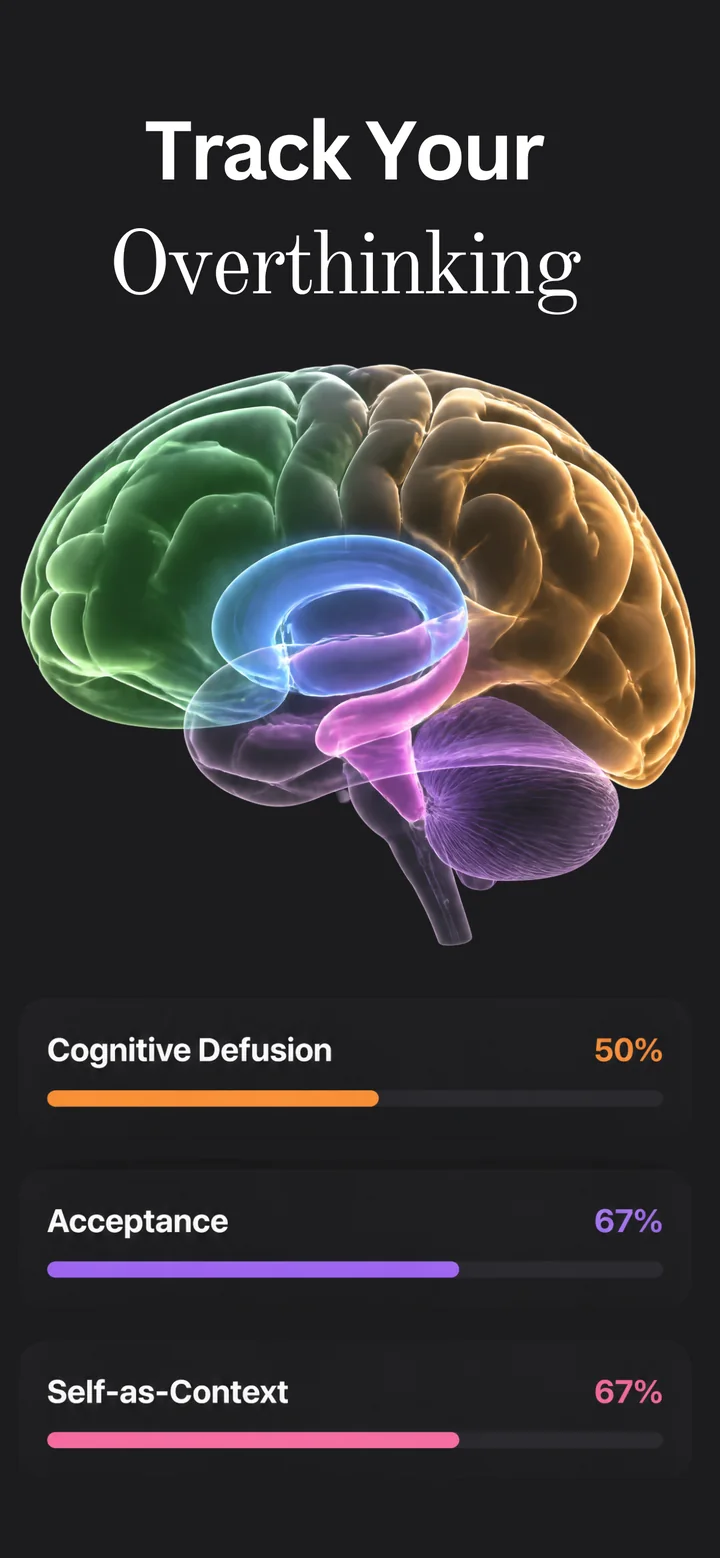
Du zerbrichst dir über jedes Detail den Kopf, überdenkst jede Entscheidung mehrere Male und kalkulierst jeden möglichen Ausgang eines Szenarios, das möglicherweise noch nicht einmal stattgefunden hat.
So wirklich abschalten kannst du nicht. Oft liegst du bis tief in die Nacht wach, voll mit Fragen, die du dir selbst stellst, aber nicht beantworten kannst. Mit der Zeit wirst du ausgelaugt, müde und erschöpft. Dein Geist hat nie wirklich Zeit, um sich zu erholen und neue Kraft zu sammeln.
Verstehen können dich nur die Wenigsten. Aussagen wie „Mach dir nicht so viele Gedanken“ oder „Wird schon gut werden“ sind nicht nur unnötig, sondern kurbeln deine Gedanken noch mehr an. Und „Rede doch mal mit Freunden“ war vielleicht vor zehn Jahren ein guter Rat.
Vielleicht gibt es da aber etwas, das dir doch helfen könnte. Bevor ich aber dazu komme, muss ich dir kurz etwas erklären.
Ob ein Gedanke dich mitnimmt oder ob du ihn nur bemerkst, hängt an einer einzigen Fähigkeit: mentaler Flexibilität. Sie ist kein Charakterzug, den man hat oder nicht hat, sondern eine Fähigkeit, die sich messen und trainieren lässt. Genau deshalb wird sie in der Forschung seit Jahrzehnten untersucht.
Beim Overthinking fehlt dir genau diese Fähigkeit. Du steckst in einem emotional geladenen Gedanken fest und kommst nicht mehr aus ihm heraus. Er zieht dich sogar noch tiefer in das Drama hinein, und es wird immer schlimmer.
Einfach gesagt: Je flexibler du mit deinen eigenen Gedanken umgehst, desto weniger Macht hat ein einzelner Gedanke über dich. Du musst den Gedanken nicht loswerden. Du musst nur aufhören, ihn zu bearbeiten. Und genau das kann man üben.
This is exactly where Mindflex comes in. Mindflex is a psychological AI for Overthinkers built by psychologists. Btw here’s how we protect you, your data, and your wellbeing.
Gegen KI wird gern eingewendet, sie könne schlechte Ratschläge geben oder unsauber mit dem umgehen, was du ihr erzählst. Der Einwand stimmt, nur gilt er genauso für Menschen. Mindflex soll den Rat deiner Freunde nicht ersetzen. Aber die menschliche Unterstützung, auf die du verwiesen wirst, ist für viele schlicht nicht da.
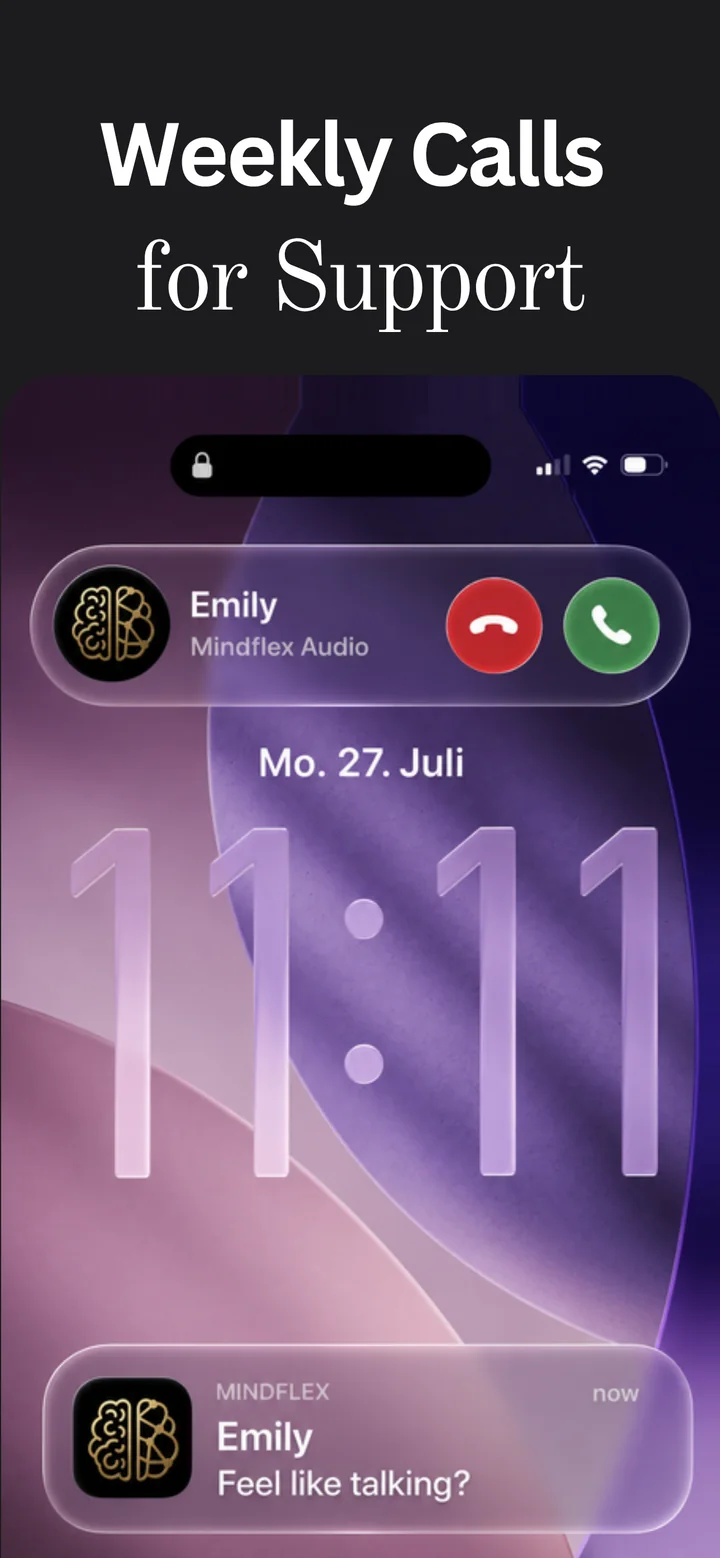
Einmal pro Woche kannst du einen Anruf haben, zu einer Zeit, die du selbst festlegst, und dabei ein Training in den sechs Fähigkeiten mentaler Flexibilität bekommen: Akzeptanz, kognitive Defusion, Kontakt zum gegenwärtigen Moment, Selbst-als-Kontext, Werte und engagiertes Handeln, in deinem eigenen Tempo. Und jeden Monat kannst du deinen Fortschritt messen und dein Grübeln verfolgen.
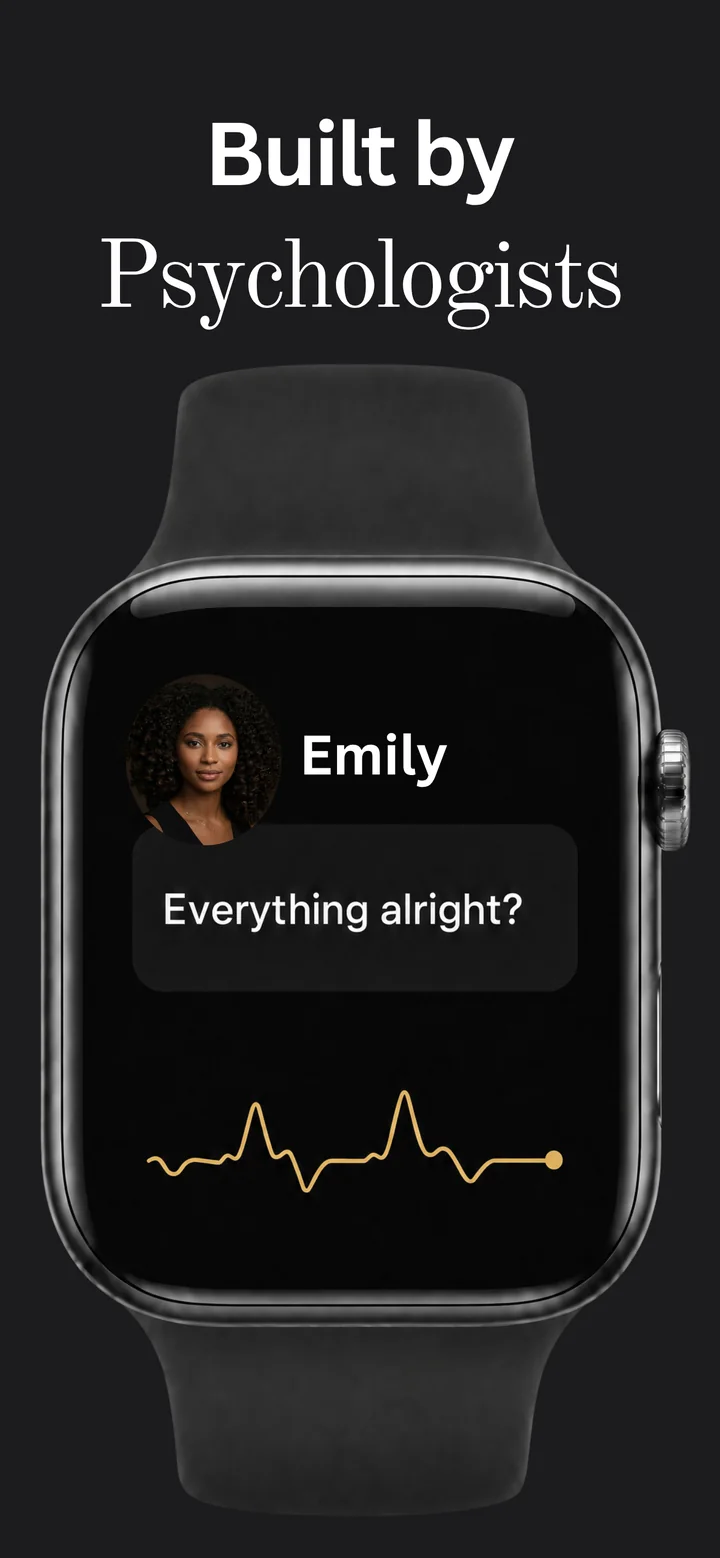
Außerdem ist Mindflex besonders empfehlenswert zusammen mit einer Apple Watch. Bemerkt deine Uhr Stresssignale, kann sich deine psychologische KI von sich aus melden, nach dir schauen und dir helfen, das Grübeln zu stoppen, bevor es anfängt.
Klicke jetzt auf den Download-Button und hol dir Mindflex im App Store.
FROM OUR WRITING
★★★★★
Sichere dir 7 Tage kostenlos, wenn du die App jetzt herunterlädst.

Mindflex · psychological AI, built by psychologists & psychotherapists
Science backed psychological AI, built in Berlin by psychologists and psychotherapists. Weekly sessions train your mental flexibility, with a companion you can call or text whenever you need.
7 days free. On iOS and Android.
Mindflex is a reflection companion developed by clinical psychologists in Berlin. It is a space for self-reflection and emotional wellbeing, for the moments that do not belong to therapy, do not fit into a call with a friend, and do not make it into your day. Four AI companion personas hold conversation in distinct styles: Sarah (warm and empathetic), Marcus (direct and grounded), Liam (practical and action-oriented), Emily (reflective and creative). You choose whoever feels right. All four are psychological AIs and their portraits are AI-generated. Mindflex is not therapy, not a medical device, and not a substitute for professional care. If you are in crisis, please contact 988 in the US, 112 in the EU, or Telefonseelsorge 0800 111 0 111 in Germany. Available as an app on iOS and Android. Free to try for 7 days; subscription pricing is shown in the app.
We are clinical psychologists who saw what happens between sessions: the 2am thoughts, the questions with no one to ask. We built Mindflex because the most powerful thing in psychology isn't a method. It's being heard. And that shouldn't be limited to one hour a week.
We are building a world where no one has to carry their thoughts alone.
No. Mindflex is an AI companion for reflection and conversation, not a human therapist. It helps you sort your thoughts, feel heard, and find clarity. For clinical care, we always recommend working with a licensed professional.
No. Mindflex is a reflection companion, not a human therapist. It does not treat, diagnose, or track disorders. If you need more support than Mindflex can provide, please reach out to a professional.
Completely. Your conversations are stored under a random ID, not your name or email. We never sell your data or share it with third parties. You can delete everything at any time.
Mindflex is not designed for crisis situations. If you are in immediate danger: in the US, call or text 988. In the EU, call 112. In Germany: Telefonseelsorge 0800 111 0 111 (free, 24/7).
Free to start with a 7-day trial, no credit card needed up front. Mindflex Pro starts at $5 per week, with monthly ($15) and yearly ($90) options, and unlocks unlimited conversations with all four companions, voice calls, and biographical memory. About the price of one coffee, built by psychologists rather than meditation coaches.
Unlike meditation apps that guide you through exercises, Mindflex is a conversational AI companion. You talk, it listens and responds, more like a thoughtful conversation about what's on your mind. Designed by psychologists for reflection, not guided meditations.
"Mindflex helped me after just two days. Before an important call, I opened the app and talked it through. It genuinely made a difference."L., 28
"I didn't think an AI could make me feel this heard."J., 31
"I'm 53, I've been through a lot. Mindflex gave me something I didn't expect: a space where I actually feel understood."K., 53
Long-form pieces on the quiet mental-wellness topics our clinical team thinks are worth reading carefully. Reviewed before publication. Updated when the evidence changes.
1 in 7 American men has no close friends, up from 1 in 33 in 1990. A psychologist-informed guide to what's actually happening, and what helps. Read the full piece →
Perimenopause doubles the odds of depressive symptoms in many women, and almost no one mentions it. A psychologist-informed guide to what is happening, and what helps. Read the full piece →
53 million Americans are unpaid caregivers. About 40 percent meet criteria for clinical-level burnout. A psychologist-informed guide to what actually helps. Read the full piece →
Real pathways, realistic timelines, real costs. How to actually find a therapist in the U.S. when every option feels closed. Read the full piece →
Why the mind won't stop, what the research actually shows, and seven concrete things that help. Written by clinical psychologists. Read the full piece →
 Mindflex🇬🇧EN▾
Already have an account? Sign in
Mindflex