The kind of lonely men don't talk about.
1 in 7 American men has no close friends, up from 1 in 33 in 1990. A psychologist-informed guide to what's actually happening, and what helps. Read the full piece →
دعم نفسي
تطبيق ذكاء اصطناعي طوّره أخصائيون نفسيون


Emily وMarcus وLiam وSarah هي ذكاءات اصطناعية نفسية، وصورها منشأة بالذكاء الاصطناعي.

بياناتك ملكك. لا نبيعها أبدًا. تبقى على خوادم داخل الاتحاد الأوروبي وفق اللائحة العامة لحماية البيانات، مشفّرة أثناء النقل وأثناء التخزين.
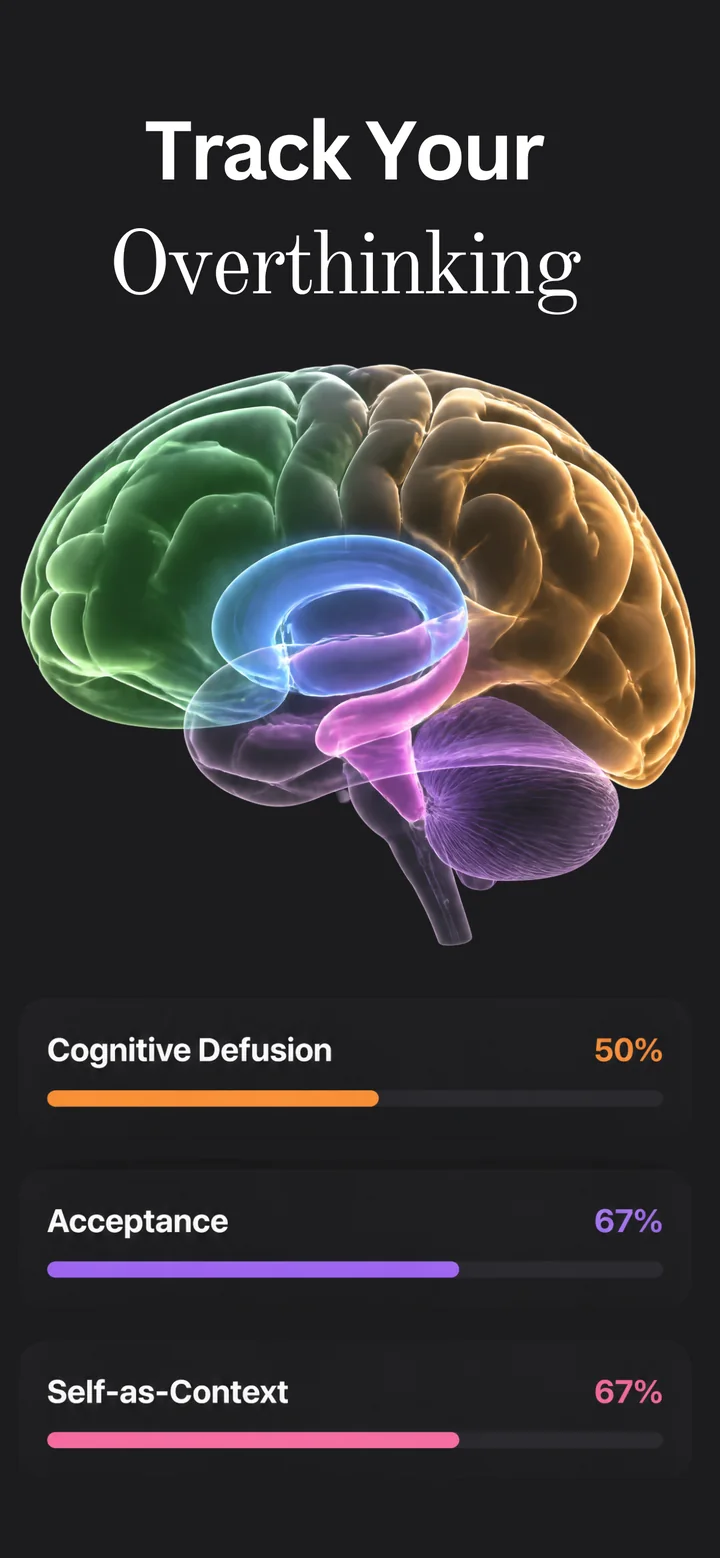


تقلّب كل تفصيل في رأسك، وتعيد النظر في كل قرار مرات عديدة، وتحسب كل نهاية ممكنة لموقف ربما لم يحدث أصلاً.
لا تستطيع أن تتوقف عن التفكير حقّاً. كثيراً ما تبقى مستيقظاً حتى وقت متأخر من الليل، ممتلئاً بأسئلة تطرحها على نفسك ولا تجد لها جواباً. ومع الوقت تصبح منهكاً ومتعباً ومستنزفاً. عقلك لا يجد وقتاً حقيقياً ليرتاح ويستعيد قوته.
قليلون فقط يفهمونك. عبارات مثل «لا تفكر كثيراً» أو «كل شيء سيكون بخير» ليست عديمة الفائدة فحسب، بل تزيد أفكارك اشتعالاً. أما «تحدّث مع أصدقائك» فربما كانت نصيحة جيدة قبل عشر سنوات.
لكن ربما هناك شيء قد يساعدك فعلاً. وقبل أن أصل إليه، عليّ أن أشرح لك أمراً واحداً.
أن تجرفك الفكرة أو أن تكتفي بملاحظتها يتوقف على قدرة واحدة: المرونة النفسية. إنها ليست صفة تولد بها أو لا، بل مهارة يمكن قياسها وتدريبها. ولهذا تدرسها الأبحاث منذ عقود.
في الإفراط في التفكير تنقصك هذه القدرة بالذات. تعلق داخل فكرة مشحونة بالمشاعر ولا تستطيع الخروج منها، بل تجرّك أعمق إلى الدراما، ويزداد الأمر سوءاً.
ببساطة: كلما تعاملت بمرونة أكبر مع أفكارك، قلّت سطوة الفكرة الواحدة عليك. لست مضطراً للتخلص من الفكرة. يكفي أن تتوقف عن الاشتغال عليها. وهذا أمر يمكن تدريبه.
This is exactly where Mindflex comes in. Mindflex is a psychological AI for Overthinkers built by psychologists. Btw here’s how we protect you, your data, and your wellbeing.
يُنتقد الذكاء الاصطناعي كثيراً بأنه قد يقدّم نصائح سيئة أو يتعامل بإهمال مع ما تخبره به. النقد صحيح، غير أنه ينطبق تماماً على البشر أيضاً. ليس هدف Mindflex أن يحلّ محل نصائح أصدقائك. لكن الدعم البشري الذي يُحال إليه كثيرون ليس موجوداً أصلاً بالنسبة لهم.
مرة كل أسبوع يمكنك إجراء مكالمة في وقت تختاره أنت، وأن تتلقى تدريباً على المهارات الست للمرونة النفسية: التقبّل، الانفصال المعرفي، التواصل مع اللحظة الحاضرة، الذات كسياق، القيم، والفعل الملتزم، بالوتيرة التي تناسبك. وكل شهر يمكنك قياس تقدّمك ومتابعة إفراطك في التفكير.
كما يعمل Mindflex بشكل أفضل مع Apple Watch. فحين تلاحظ ساعتك إشارات التوتر، يمكن للذكاء الاصطناعي النفسي أن يبادر بالتواصل معك، ويطمئن عليك، ويساعدك على إيقاف الإفراط في التفكير قبل أن يبدأ.
اضغط الآن على زر التحميل واحصل على Mindflex من App Store.
FROM OUR WRITING
★★★★★
احصل على تجربة مجانية لمدة 7 أيام إذا حمّلت التطبيق الآن.

Mindflex · psychological AI, built by psychologists & psychotherapists
Science backed psychological AI, built in Berlin by psychologists and psychotherapists. Weekly sessions train your mental flexibility, with a companion you can call or text whenever you need.
7 days free. On iOS and Android.
Mindflex is a reflection companion developed by clinical psychologists in Berlin. It is a space for self-reflection and emotional wellbeing, for the moments that do not belong to therapy, do not fit into a call with a friend, and do not make it into your day. Four AI companion personas hold conversation in distinct styles: Sarah (warm and empathetic), Marcus (direct and grounded), Liam (practical and action-oriented), Emily (reflective and creative). You choose whoever feels right. All four are psychological AIs and their portraits are AI-generated. Mindflex is not therapy, not a medical device, and not a substitute for professional care. If you are in crisis, please contact 988 in the US, 112 in the EU, or Telefonseelsorge 0800 111 0 111 in Germany. Available as an app on iOS and Android. Free to try for 7 days; subscription pricing is shown in the app.
We are clinical psychologists who saw what happens between sessions: the 2am thoughts, the questions with no one to ask. We built Mindflex because the most powerful thing in psychology isn't a method. It's being heard. And that shouldn't be limited to one hour a week.
We are building a world where no one has to carry their thoughts alone.
No. Mindflex is an AI companion for reflection and conversation, not a human therapist. It helps you sort your thoughts, feel heard, and find clarity. For clinical care, we always recommend working with a licensed professional.
No. Mindflex is a reflection companion, not a human therapist. It does not treat, diagnose, or track disorders. If you need more support than Mindflex can provide, please reach out to a professional.
Completely. Your conversations are stored under a random ID, not your name or email. We never sell your data or share it with third parties. You can delete everything at any time.
Mindflex is not designed for crisis situations. If you are in immediate danger: in the US, call or text 988. In the EU, call 112. In Germany: Telefonseelsorge 0800 111 0 111 (free, 24/7).
Free to start with a 7-day trial, no credit card needed up front. Mindflex Pro starts at $5 per week, with monthly ($15) and yearly ($90) options, and unlocks unlimited conversations with all four companions, voice calls, and biographical memory. About the price of one coffee, built by psychologists rather than meditation coaches.
Unlike meditation apps that guide you through exercises, Mindflex is a conversational AI companion. You talk, it listens and responds, more like a thoughtful conversation about what's on your mind. Designed by psychologists for reflection, not guided meditations.
"Mindflex helped me after just two days. Before an important call, I opened the app and talked it through. It genuinely made a difference."L., 28
"I didn't think an AI could make me feel this heard."J., 31
"I'm 53, I've been through a lot. Mindflex gave me something I didn't expect: a space where I actually feel understood."K., 53
Long-form pieces on the quiet mental-wellness topics our clinical team thinks are worth reading carefully. Reviewed before publication. Updated when the evidence changes.
1 in 7 American men has no close friends, up from 1 in 33 in 1990. A psychologist-informed guide to what's actually happening, and what helps. Read the full piece →
Perimenopause doubles the odds of depressive symptoms in many women, and almost no one mentions it. A psychologist-informed guide to what is happening, and what helps. Read the full piece →
53 million Americans are unpaid caregivers. About 40 percent meet criteria for clinical-level burnout. A psychologist-informed guide to what actually helps. Read the full piece →
Real pathways, realistic timelines, real costs. How to actually find a therapist in the U.S. when every option feels closed. Read the full piece →
Why the mind won't stop, what the research actually shows, and seven concrete things that help. Written by clinical psychologists. Read the full piece →
 Mindflex🇬🇧EN▾
Already have an account? Sign in
Mindflex